Authentic Indonesian Beef Rendang: A Home Cook's Guide to Rich Flavor
Few dishes capture the heart and soul of a cuisine quite like
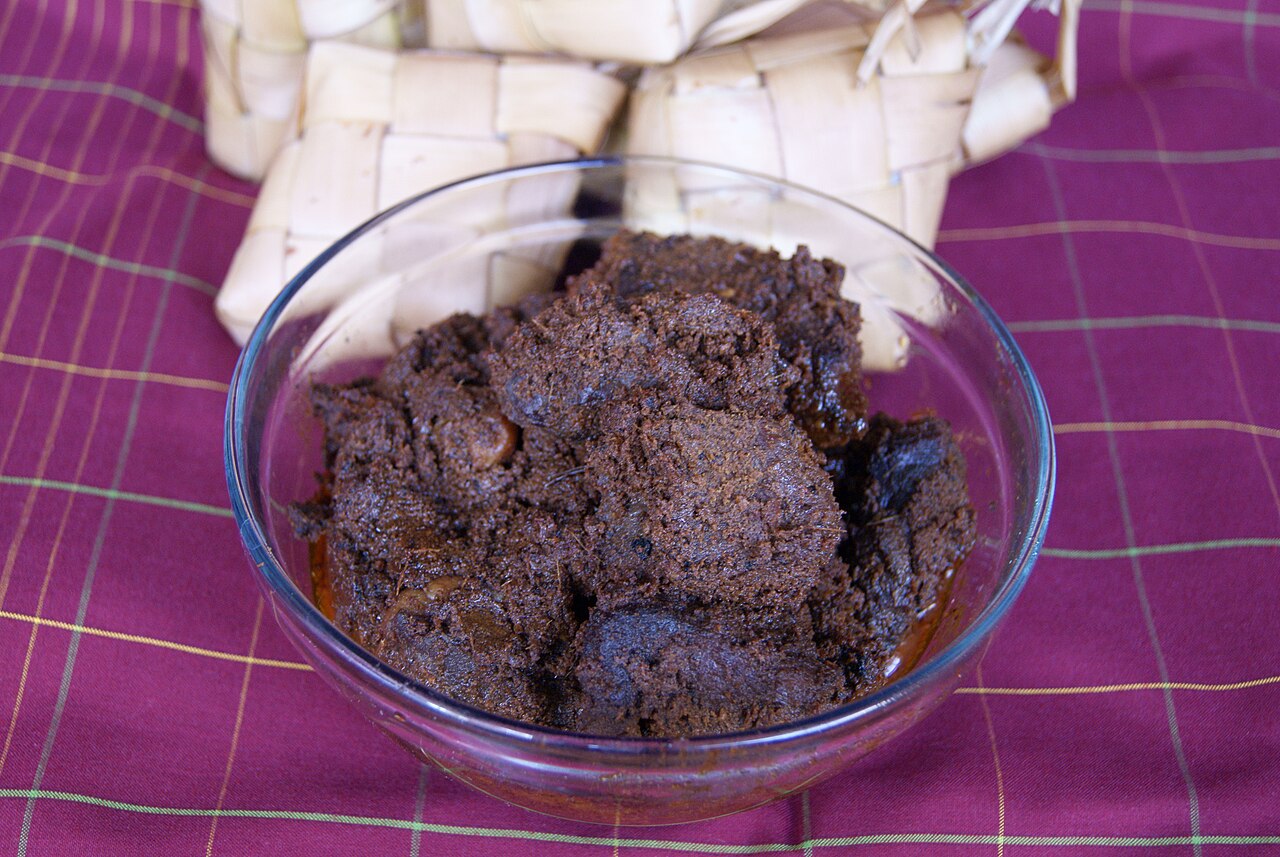
beef rendang. Hailing from Indonesia, particularly the Minangkabau people of West Sumatra, this iconic dish is more than just a meal; it's a slow-cooked masterpiece, a culinary journey that transforms humble ingredients into a symphony of rich, complex flavors. While often mistaken for a saucy curry, authentic rendang offers a truly unique experience: tender pieces of beef coated in a dark, glossy, almost "dry" spice lacquer, where the coconut milk has reduced and caramelized into an intensely aromatic coating. It's a dish traditionally reserved for special occasions, and one bite will tell you why its deep, layered flavors are well worth the time and patience it demands in the kitchen.
What Makes Authentic Beef Rendang Truly Special?
The essence of
beef rendang lies in its unique cooking methodology, which sets it apart from typical braises or curries. It begins as a rich coconut milk braise, but critically, it doesn't stop there. The process continues, slowly and meticulously, until the coconut milk reduces almost entirely, separates, and its fats begin to fry the spices, creating a toasted, nutty, and incredibly flavorful coating. This isn't about simmering meat in a pool of gravy; it's about melding every fiber of the beef with a deeply caramelized spice paste that clings like a second skin.
The transformation is captivating: from a pale, bubbling coconut gravy in the early simmer, the dish evolves into a state where there's little to no free liquid, and the beef is generously coated in a dark, glossy paste that emits a warm, nutty aroma. This final stage is where the magic truly happens, where the Maillard reaction contributes to the deep brown color and profound umami, and the aromatics transition from fresh and vibrant to roasted and mellow. The result is a dish where the meat pulls apart effortlessly with a spoon, and the entire pan holds a thin, fragrant sheen of oil rather than excess sauce. This slow rendering and toasting process is key to achieving that signature dry finish and the unparalleled depth of flavor that defines a truly authentic rendang. For a deeper dive into this unique cooking method, explore
What Makes Rendang Different? Mastering Its Signature Dry Finish.
Crafting the Perfect Rendang: Essential Ingredients and Preparation
Achieving that melt-in-your-mouth texture and intensely flavorful coating in your
beef rendang starts with careful ingredient selection and thoughtful preparation. Every choice, from the cut of beef to the balance of your spice paste, contributes to the final masterpiece.
Selecting the Right Beef Cut
The success of your rendang hinges significantly on your choice of beef. You need a cut that not only withstands long cooking times but also benefits from them, becoming exquisitely tender without drying out.
*
Chuck Roast: This is the undisputed champion for rendang. Its ample marbling ensures it stays juicy and eventually breaks down into wonderfully tender, flavorful pieces. The fat renders slowly, integrating into the spice paste and enriching its texture and taste.
*
Brisket Point: Another excellent option, brisket point offers a similar fat-to-meat ratio and holds up beautifully to the slow braising.
*
Avoid: Lean stew meat or cuts with very little fat. These tend to dry out and become stringy long before the spice paste has achieved its desired dry, glossy finish, resulting in a disappointing rendang.
Mastering Beef Prep for Optimal Texture
Once you have your choice cut, how you prepare it makes a noticeable difference in the final texture and how well it absorbs the rich flavors.
*
Cut into Large, Even Chunks: Aim for pieces around 2-inches. While it might seem counterintuitive for a long-cooked dish, larger chunks are less prone to shrinking excessively and becoming stringy. They retain their meaty texture and provide a substantial surface area to soak up the concentrated spice paste.
*
Pat the Beef Dry: Before any cooking begins, thoroughly pat your beef dry with paper towels. This crucial step allows the meat to brown beautifully when seared, rather than steaming in its own moisture. Browning adds another layer of deep, savory flavor through the Maillard reaction.
*
Salt Early: Seasoning the beef 10 to 15 minutes before cooking allows the salt to penetrate the surface, enhancing the beef's natural flavor and preventing the initial simmer from tasting bland.
The Heart of Rendang: The Bumbu Spice Paste
The complex, aromatic spice paste, known as "bumbu" in Indonesian, is the very soul of
beef rendang. Its layered flavors come from a vibrant mix of fresh aromatics and warm, earthy spices. While some ingredients can be flexible, the core components are non-negotiable for an authentic taste.
*
Mainstay Aromatics: These form the backbone of your bumbu.
*
Shallots & Garlic: Provide the fundamental savory base.
*
Fresh Ginger: Adds a pungent, zesty warmth.
*
Galangal: (Crucial, if available) Offers a distinct earthy, citrusy, pine-like aroma that differentiates rendang from other ginger-heavy dishes. If unavailable, a little extra ginger can substitute, but the flavor profile will be slightly different.
*
Lemongrass: The tender inner part, finely chopped, infuses a bright, citrusy, and slightly floral note.
*
Fresh Turmeric: Delivers a beautiful golden color and a mild, earthy bitterness. Ground turmeric is an acceptable substitute.
*
Dried Chiles: Provide the heat. Soaking them first rehydrates them for better blending and mellows their raw spiciness. Adjust the quantity to your preferred spice level.
*
Warm Spices:
*
Ground Coriander & Cumin: These add earthy, warm undertones that balance the fresh aromatics.
*
Black Pepper: For a subtle kick and aroma.
*
Supporting Ingredients for Depth:
*
Coconut Milk (Full-Fat): The creamy foundation that transforms into the glorious coating.
*
Unsweetened Shredded Coconut: Toasted and ground, this creates "kerisik," a rich, nutty paste that significantly boosts the rendang's flavor and texture. It's an optional but highly recommended step for ultimate authenticity.
*
Tamarind Concentrate: A touch of sourness balances the richness and complexity.
*
Palm Sugar or Brown Sugar: A hint of sweetness to round out the flavors and aid in caramelization.
*
Makrut Lime Leaves: Their aromatic oils impart a unique, fragrant citrus note.
*
Fish Sauce (Optional): A small amount can add an extra layer of umami depth.
Preparing the bumbu involves blending or pounding these ingredients into a fine paste. The fresher the ingredients, the more vibrant your rendang will be.
The Rendang Journey: From Gentle Simmer to Glossy Perfection
The true artistry of making
beef rendang unfolds during the cooking process, a patient progression through distinct phases that culminate in its iconic dry, glossy finish. This journey demands attention and an understanding of the subtle cues the dish provides.
Phase 1: Building the Fragrant Paste
The cooking begins with sautéing your painstakingly prepared bumbu. In a wide, heavy-bottomed pot or Dutch oven (the wider, the better for evaporation), the spice paste is gently fried in a little oil until incredibly fragrant and slightly darkened. This step is crucial; it "cooks out" the raw flavor of the fresh aromatics and allows the spices to bloom, laying the groundwork for the deep flavor profile.
Phase 2: The Slow Braise
Once the bumbu is fragrant, the pat-dried beef chunks are added and briefly seared to coat them in the aromatic paste. Next, the full-fat coconut milk, along with any optional ingredients like tamarind, sugar, and makrut lime leaves, is introduced. The mixture is brought to a gentle simmer, then the heat is reduced to low. This is the braising stage, where the beef slowly tenderizes, absorbing the initial wave of flavors from the coconut milk and spices. This period can last for hours, with occasional stirring to prevent sticking. You'll observe a loose, pale coconut gravy bubbling gently around the softening beef.
Phase 3: The Crucial Reduction and Finish
This final stage is where the magic of
beef rendang truly manifests, transforming it from a mere braise into the unique, dry-finished dish it's famous for. Patience is your most important ingredient here.
*
Evaporation and Separation: As the liquid continues to evaporate, the coconut milk begins to break down, releasing its oils. The gravy will thicken, and the color will deepen significantly.
*
The Frying Stage: The separated coconut oil effectively "fries" the spices and beef, causing the paste to cling to the meat. This is where the profound, toasted flavors develop, and the signature dark, glossy "lacquer" begins to form.
*
Constant Vigilance: This phase requires more frequent stirring, especially as the liquid diminishes. The key is to keep the heat at a medium-low, ensuring the paste toasts evenly without scorching. A wide pan facilitates faster and more even evaporation, minimizing the risk of hot spots.
*
The Perfect Finish: You'll know your rendang is ready when there is little to no free liquid left in the pan. The beef chunks will be thoroughly coated in a rich, dark brown, almost black, thick paste. The aroma will be intensely nutty and roasted, and the pan will have a thin sheen of aromatic oil, not a pool of sauce. The meat should be incredibly tender, easily yielding to a spoon. This painstaking reduction and toasting process is what elevates rendang to its legendary status. To master this delicate balance, see
The Secret to Perfect Beef Rendang: From Braise to Dry, Glossy Perfection.
Pro Tips for an Unforgettable Beef Rendang
While the steps above provide a solid framework, incorporating a few expert tips can elevate your homemade
beef rendang from good to truly exceptional.
*
Embrace Patience: Rendang is a dish that rewards those who wait. Do not rush any stage, especially the final reduction. The long, slow cook allows flavors to meld and develop in ways fast cooking cannot achieve.
*
Taste and Adjust Regularly: As the liquid reduces, flavors intensify. Taste your rendang during the braising phase and again towards the end. Adjust salt, sugar, or tamarind to achieve a perfect balance of sweet, sour, salty, and spicy.
*
Don't Skip the Kerisik: If you have access to unsweetened shredded coconut, take the extra step to toast it gently in a dry pan until golden brown, then pound or blend it into a paste. This "kerisik" adds an incredible depth of toasted coconut flavor and a unique texture that is paramount to authentic rendang.
*
Use a Heavy, Wide Pot: A Dutch oven or a heavy, wide sauté pan is ideal. The heavy bottom prevents scorching, and the wide surface area promotes efficient evaporation, crucial for achieving the dry finish.
*
Watch the Heat During Reduction: As the liquid diminishes, the rendang becomes more prone to sticking and burning. Keep the heat steady and medium-low, and stir more frequently to ensure even cooking and prevent scorching.
*
The Day-After Phenomenon: Like many stews and braises, rendang often tastes even better the next day. The flavors have more time to fully meld and deepen. This makes it an excellent make-ahead dish for entertaining.
*
Serve Simply: Authentic rendang is intensely flavorful and rich. It is traditionally served with plain steamed white rice, which acts as a perfect canvas to absorb its complex flavors.
Conclusion
Cooking
beef rendang is a culinary journey, not a sprint. It’s an exercise in patience and a testament to how slow cooking can unlock extraordinary depths of flavor. From the careful selection of your beef and the meticulous preparation of your spice paste to the watchful eye required during its long transformation, every step contributes to a dish that is truly more than the sum of its parts. Embrace the process, savor the aromas that fill your kitchen, and you will be rewarded with a rich, tender, and intensely flavorful Indonesian masterpiece that captures the essence of authentic rendang. It’s a dish that celebrates tradition, flavor, and the sheer joy of creating something truly special in your own home kitchen.