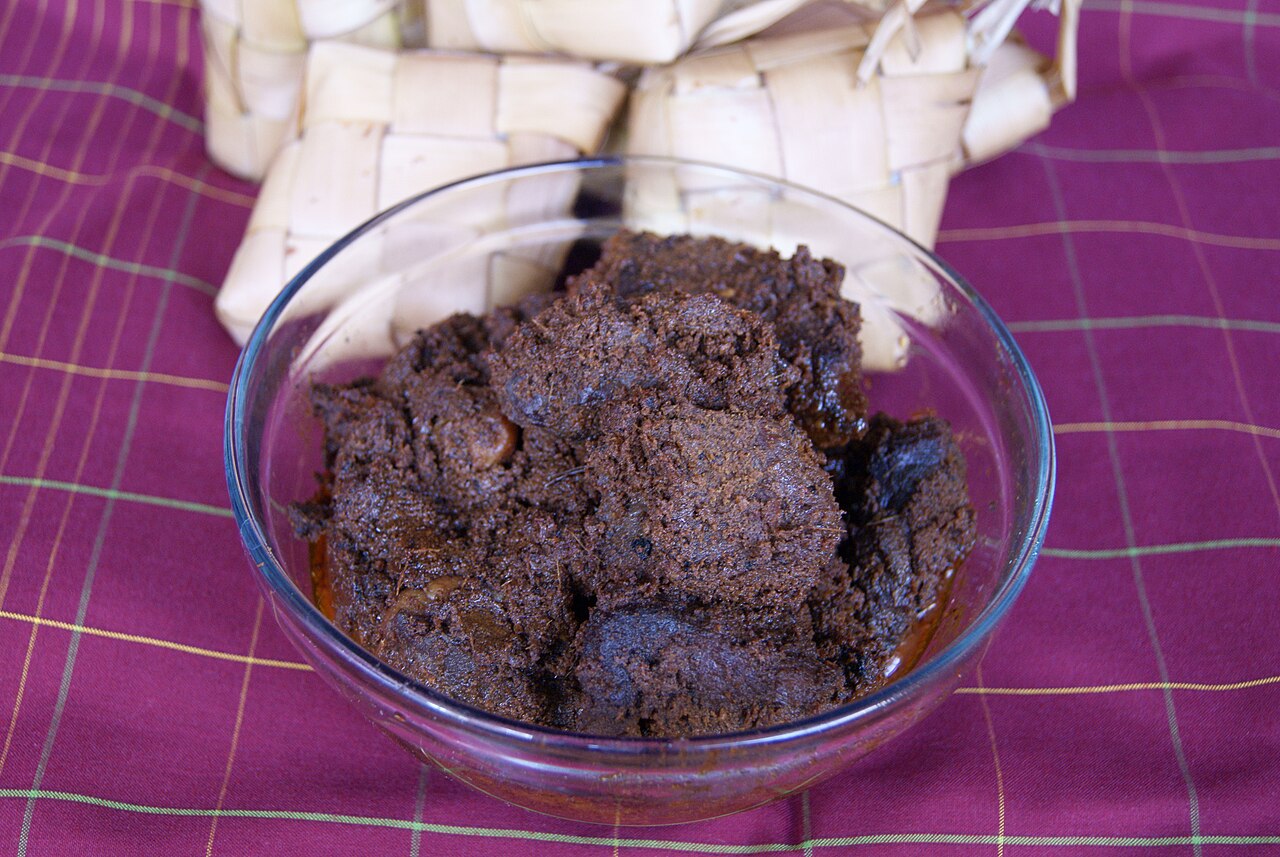
Often hailed as one of the world's most beloved dishes, beef rendang stands apart in the culinary landscape. It's a dish frequently misunderstood, often mistaken for a conventional saucy curry. However, to truly appreciate rendang is to understand its signature characteristic: a rich, deeply flavored dry finish. Originating from the Minangkabau people of West Sumatra, Indonesia, rendang is not just a meal; it's a testament to patience, tradition, and the art of transforming humble ingredients into a gastronomic masterpiece, traditionally reserved for special occasions and celebrations.
Unlike its saucier counterparts, authentic beef rendang is a slow-cooked marvel where tender beef is coated in a dark, glossy spice paste. This unique quality is precisely what sets it apart, defining its texture, aroma, and profound flavor profile. Mastering this dry finish is the secret to unlocking the true essence of this iconic Indonesian comfort food.
The Heart of Rendang: More Than Just a Braise
At its core, rendang begins much like a braise, with succulent beef simmering gently in creamy coconut milk alongside a vibrant array of aromatics and spices. But this is merely the first act. What truly distinguishes beef rendang is its relentless journey beyond simple tenderness. The cooking continues, often for hours, until the coconut milk undergoes a magnificent transformation: it reduces, separates, and its fats render, turning into a toasted, intensely flavorful coating that clings to every piece of beef.
This crucial final stretch is where the magic happens, where layers of flavor deepen, and the beef achieves its iconic dark, lacquered appearance. This isn't a "saucy curry night"; it's a process of dehydration and caramelization, often referred to as a "dry curry" for good reason. As the liquid evaporates, the sugars in the coconut milk and spices undergo the Maillard reaction, developing complex, nutty, and savory notes that are utterly unique to rendang.
The culinary goal is to achieve a pan that holds a thin, glossy sheen of rendered oil, with virtually no free liquid. The beef should be thoroughly coated in a thick, dark paste that smells roasted and warm, rather than raw or watery. Two key texture checkpoints serve as your guide:
- Early Simmer: A loose, pale coconut gravy, bubbling gently around the meat as it slowly tenderizes.
- Final Finish: Little to no free liquid, with the beef exquisitely coated in a deep, dark paste that is nutty, intensely fragrant, and clinging like a rich lacquer.
This meticulous reduction not only concentrates flavor but also served a historical purpose, as the lack of moisture traditionally allowed rendang to be preserved for extended periods, ideal for long journeys in ancient Sumatra.
Crafting the Perfect Rendang: Ingredients and Preparation Prowess
The journey to an unforgettable beef rendang begins with mindful ingredient selection and meticulous preparation. Every component plays a vital role in building the dish's legendary depth.
Beef Choice and Preparation That Pays Off
For a dish that demands prolonged cooking, the choice of beef is paramount. Cuts that thrive under long, slow heat are your allies. Authentic Indonesian Beef Rendang: A Home Cook's Guide to Rich Flavor emphasizes that chuck roast is the quintessential pick for rendang, offering a perfect balance of marbling and collagen that breaks down beautifully, resulting in melt-in-your-mouth tenderness while remaining juicy. Brisket point is another excellent alternative. Steer clear of lean stew meats; they tend to dry out long before the intricate spice paste has sufficiently tightened and coated the beef.
Equally important is how you prepare the beef. Cut the meat into substantial, even chunks, ideally around 2-inch pieces. Smaller cubes risk shrinking excessively and becoming stringy during the lengthy cooking process. Large pieces, conversely, maintain their meaty texture and provide ample surface area to absorb and embrace the rich spice paste. Before cooking, always pat your beef dry thoroughly. This crucial step encourages proper browning, which adds foundational layers of savory flavor through the Maillard reaction, rather than just steaming the meat.
Finally, salt your beef early—about 10 to 15 minutes before you begin cooking. This allows the seasoning to penetrate the surface, preventing the initial simmer from tasting bland and ensuring that every bite is seasoned from within.
The Bumbu: A Symphony of Aromatics and Spices
The soul of beef rendang lies in its complex spice paste, or bumbu. This isn't just a mix of ingredients; it's a carefully balanced symphony of fresh aromatics and warm, earthy spices that build the dish's layered flavor profile. While some ingredients might be harder to source, a truly great rendang can still be achieved by focusing on the backbone:
- Essential Aromatics: Shallots, garlic, fresh ginger, lemongrass, and chiles form the foundation, providing pungent, zesty, and subtly spicy notes.
- Depth and Nuance: Galangal (offering a unique citrus-pine aroma), fresh turmeric (for earthy color and flavor), and makrut lime leaves (for bright, aromatic zest) elevate the bumbu considerably. If fresh galangal is unavailable, a little extra ginger can substitute, though the flavor profile will shift slightly. Ground turmeric can replace fresh.
- Warm Spices: Ground coriander, cumin, and black pepper add essential warmth and complexity.
- Tang and Sweetness: Tamarind concentrate or pulp contributes a crucial sour note that balances the richness, while palm sugar (or brown sugar) provides a subtle sweetness, enhancing the caramelization process.
- Umami Boost: A dash of fish sauce, though optional, can deepen the overall savory umami profile.
The freshness of these ingredients, particularly the aromatics, is key. Traditionally, they are pounded into a fine paste using a mortar and pestle, though a food processor or blender can achieve similar results, ensuring the paste is smooth for optimal flavor release.
The Journey to Dry Perfection: Mastering the Slow Cook
Once your beef is prepped and your bumbu is ready, the cooking process of beef rendang is a testament to patience and controlled heat. The method is consistent: build a fragrant paste, simmer low until the beef is impossibly tender, then continue cooking until the dish achieves its signature dry and dark finish.
Choose your cookware wisely: a Dutch oven, a wide sauté pan, or a heavy-bottomed pot are all suitable. A wider pan is often preferred in the final stages, as it provides a larger surface area for the liquid to evaporate more efficiently, aiding in the reduction process without overcrowding the beef. The Secret to Perfect Beef Rendang: From Braise to Dry, Glossy Perfection emphasizes that consistent, low heat is your best friend throughout this long journey.
The cooking process unfolds in distinct, mesmerizing phases:
- The Braise: Begin by sautéing your spice paste until fragrant, then add the beef, coating it well. Pour in the full-fat coconut milk, along with any other liquid ingredients like tamarind. Bring to a gentle simmer, then cover (or partially cover) and let it cook low and slow. During this stage, the beef will tenderize, absorbing the initial flavors of the coconut milk and spices.
- The Reduction: As the beef becomes fork-tender, remove the lid. The liquid will still be quite abundant. Now, the focus shifts to reduction. Keep the heat at a gentle simmer, allowing the coconut milk to slowly evaporate. Stir occasionally to prevent sticking.
- The Dry Finish: This is the most critical and delicate stage. As the liquid reduces further, the coconut milk begins to separate, and its oils render out. The paste will thicken significantly and start to darken. At this point, constant vigilance is required. Stir frequently, almost continuously, especially towards the end, to prevent scorching. This is where the toasted, nutty aroma develops, and the paste transforms into a rich, dark lacquer that adheres beautifully to the beef. You'll notice the rendered oil creating a thin sheen in the pan, a clear sign that the moisture has almost entirely evaporated.
The final result should be deeply browned beef coated in a thick, almost crumbly paste, with virtually no free liquid left in the pan. Rushing this stage with high heat is a common mistake that leads to scorched bits and an uneven finish. Patience here is not just a virtue, but a necessity for achieving the true essence of beef rendang.
Beyond the Plate: The Cultural Significance and Shelf Life of Rendang
The distinctive dry finish of rendang is more than just a culinary technique; it's a reflection of its deep cultural roots and historical utility. As a dish of the Minangkabau people, rendang has always been central to special occasions, feasts, and religious festivals. Its laborious preparation and the subsequent rich flavor signify respect and celebration.
Historically, the dry cooking method also served a practical purpose. By removing most of the moisture, rendang was naturally preserved, capable of lasting for weeks without refrigeration in the hot, humid climate of Indonesia. This made it an ideal food for long journeys or as a provision for communities, allowing its vibrant flavors to be enjoyed over an extended period.
Today, beef rendang has garnered international acclaim, often cited among the world's best dishes, a testament to its complex flavors and satisfying texture. While its preservation properties are less critical in modern kitchens, the dry finish remains integral to its identity. One of the joys of rendang is its ability to deepen in flavor over time; it often tastes even better the day after it's made, allowing the myriad spices to meld even further. Store any leftovers in an airtight container in the refrigerator, and reheat gently.
Beef rendang is a culinary journey that rewards patience and attention to detail. From selecting the right cut of beef and meticulously preparing the aromatic bumbu, to the slow, transformative cook that yields its signature dry, glossy finish, every step contributes to a dish of unparalleled depth and complexity. It’s more than just a meal; it’s an experience, a celebration of Indonesian heritage, and a testament to the magic that happens when food is cooked with true dedication. Embrace the process, and you’ll discover why this rich, dry curry continues to captivate palates across the globe.
