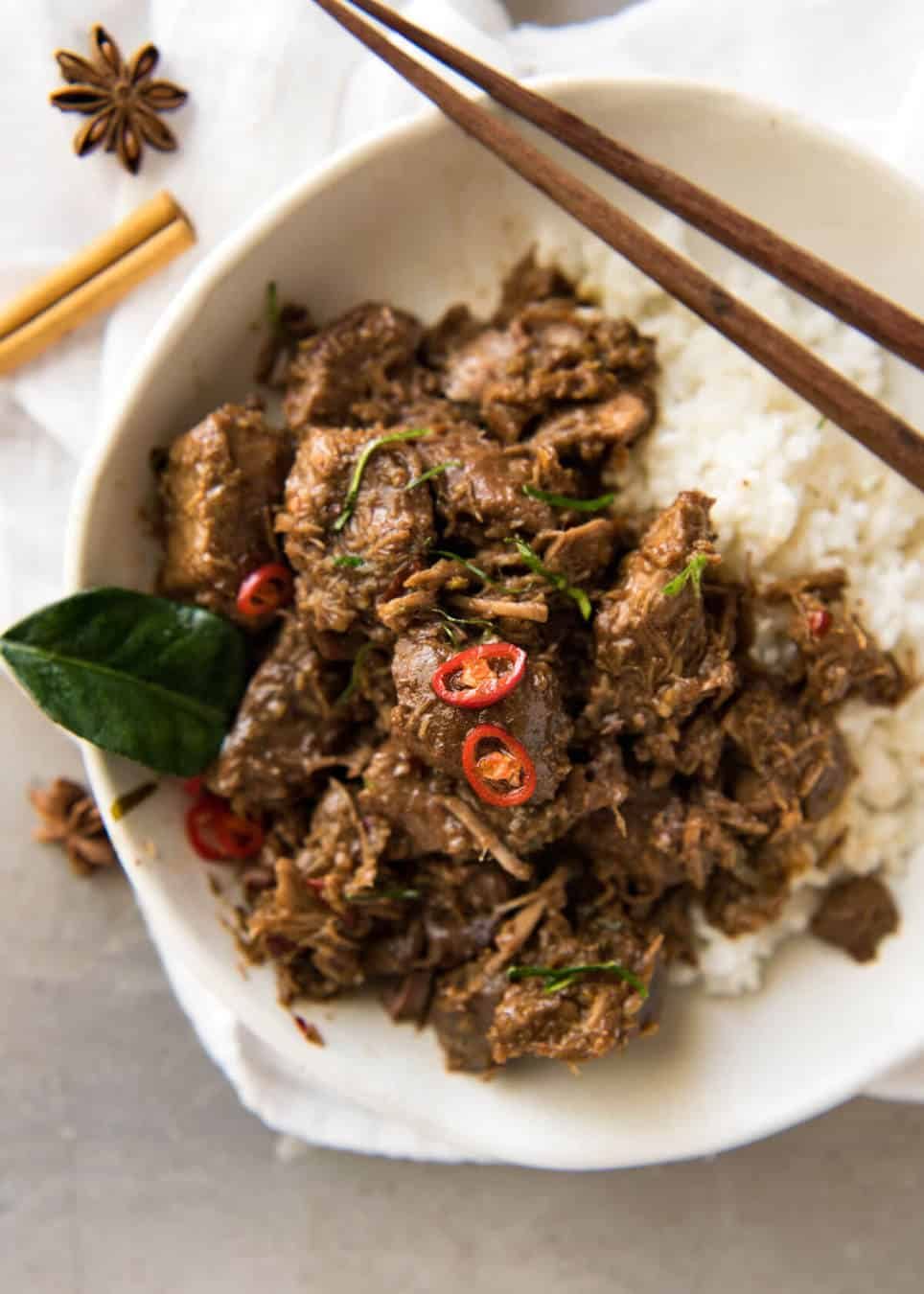
The Secret to Perfect Beef Rendang: From Braise to Dry, Glossy Perfection
Beef Rendang isn't just a dish; it's a culinary journey, a testament to the art of slow cooking, and a beloved icon of Indonesian cuisine. Often mistaken for a saucy curry, authentic beef rendang defies this expectation, culminating in a magnificent transformation: tender, melt-in-your-mouth beef coated in a dark, glossy, intensely flavorful spice paste. This isn't a quick weeknight meal, but a labor of love that rewards patience with every complex, aromatic bite. It's traditionally reserved for special occasions by the Minangkabau people, who are credited with its creation, but its irresistible charm makes it a worthy endeavor for any home kitchen. The magic lies in understanding its unique evolution from a rich braise to its signature dry finish, where flavors deepen and textures perfect.
What Makes Beef Rendang Stand Apart?
The distinctiveness of beef rendang truly sets it apart from other braised beef dishes or curries. While it begins its life as a gentle simmer in creamy coconut milk, resembling a traditional braise, the cooking process doesn't stop there. This is where rendang embarks on its unique trajectory. It continues to cook, slowly and deliberately, until the coconut milk dramatically reduces, separates, and then toasts, forming a luxurious, lacquered coating around each piece of beef. This final, extended cooking phase is where the dish truly builds its legendary depth of flavor, transforming from a pale, loose gravy into a rich, dark, and aromatic masterpiece.
To truly master this transformation, it's essential to recognize two critical texture checkpoints. The *early simmer* stage presents a loose, gently bubbling coconut gravy, still light in color. This is when the beef begins to tenderize, slowly absorbing the initial layers of flavor. However, the ultimate goal is the *final finish*: a state where there is virtually no free liquid left in the pan, and the beef is completely enveloped in a dark, nutty, and warm spice paste. The pan should hold only a thin sheen of oil, a testament to the coconut milk’s breakdown and reintegration into the dish. This intricate process of reduction and toasting is what gives rendang its characteristic depth and irresistible appeal. For a deeper dive into this unique characteristic, you might find valuable insights in our article on
What Makes Rendang Different? Mastering Its Signature Dry Finish.
Selecting and Preparing Your Star Ingredient: The Beef
The choice and preparation of your beef are foundational to a perfect beef rendang. This dish demands a cut that can withstand long, slow cooking without drying out, ultimately yielding an incredibly tender result.
- Ideal Cuts: The undisputed champion for beef rendang is chuck roast. Its generous marbling and connective tissue break down beautifully over extended heat, ensuring the meat remains juicy and becomes spoon-tender. Brisket point is another excellent contender, offering a similar profile of richness and tenderness.
- Cuts to Avoid: Steer clear of lean stew meats or cuts like sirloin. These tend to dry out and become stringy long before the sauce has achieved its desired dry, glossy consistency. The rendang’s magic happens in the final stages of cooking, and you need beef that can go the distance.
- Size Matters: Cut your beef into large, even chunks, ideally around 2-inch pieces. Smaller cubes will shrink significantly during the lengthy cooking process, risking dryness and a stringy texture. Larger pieces retain their succulence and provide a more satisfying mouthfeel, effectively absorbing the intense flavors of the spice paste.
- Pre-Cooking Prep: Before browning, thoroughly pat the beef dry with paper towels. This crucial step ensures that the meat sears beautifully and develops a rich crust, rather than steaming in its own juices.
- Salt Early, Season Deep: Don't underestimate the power of salting your beef 10 to 15 minutes before you begin cooking. This allows the salt to penetrate the surface, seasoning the meat from within and preventing the initial simmer from tasting bland. While the beef rests, you can calmly gather and prepare your spice paste ingredients.
Crafting the Iconic Flavor Profile: Ingredients and Bumbu
The complexity of beef rendang’s flavor is a direct result of its carefully balanced ingredient list, particularly the "bumbu" or spice paste. This paste layers fresh aromatics with warm, earthy spices, creating an unforgettable symphony of taste. Even if one or two ingredients are difficult to source, you can still achieve a remarkable rendang by focusing on the core components.
The backbone of any authentic rendang spice paste includes:
- Aromatics: Shallots, garlic, fresh ginger, and lemongrass are non-negotiable. They provide the fresh, pungent base notes that define the dish.
- Spice: Ground coriander and cumin are essential for their warm, earthy undertones, complemented by fresh turmeric (or ground turmeric as a substitute) for color and subtle bitterness, and a hint of black pepper.
- Heat: Dried chiles, soaked and drained, allow you to control the spice level. Use fewer for a mild rendang, more for a fiery kick.
Beyond the bumbu, other key ingredients contribute to the dish's distinctive character:
- Coconut Milk: Full-fat coconut milk is indispensable, providing the creamy base that eventually reduces into the rich coating.
- Unsweetened Shredded Coconut: Toasted until golden, then ground into a paste (sometimes called *kerisik*), this ingredient significantly boosts the nutty, toasted flavor and adds depth to the final coating. It’s an optional but highly recommended step for achieving that signature richness.
- Tamarind: A tablespoon of tamarind concentrate or pulp adds a crucial tangy counterpoint to the richness of the coconut and spices, brightening the overall flavor.
- Palm Sugar or Brown Sugar: One to two tablespoons provide a touch of sweetness, balancing the heat and acidity, and contributing to the caramelization during the drying phase.
- Fish Sauce: While optional, a teaspoon or two of fish sauce can add an extra layer of umami depth, enhancing the savory profile without making the dish taste "fishy."
- Makrut Lime Leaves: These fragrant leaves impart a distinctive citrusy, floral aroma that is synonymous with many Southeast Asian dishes, elevating the rendang's aromatic complexity.
- Galangal: A relative of ginger, galangal offers a sharper, more citrusy, and slightly piney flavor. If unavailable, an extra piece of ginger can be used, though the flavor profile will differ slightly.
For a deeper dive into the specific ingredient ratios and step-by-step cooking, explore our comprehensive guide on
Authentic Indonesian Beef Rendang: A Home Cook's Guide to Rich Flavor.
The Culinary Journey: From Gentle Simmer to Dry Perfection
The cooking of beef rendang is a phased process, each stage building upon the last to achieve its renowned complexity. It's a method perfectly suited for a home kitchen, demanding attention but rewarding patience.
- Building the Fragrant Paste: Begin by sautéing your carefully prepared spice paste (bumbu). This crucial step allows the aromatics to bloom and their essential oils to release, forming a highly fragrant base for the dish. Don't rush this; cook until aromatic and slightly darkened.
- The Tenderizing Braise: Introduce the seared beef chunks to the pan, along with the coconut milk, tamarind, sugar, and any other remaining ingredients like makrut lime leaves. Bring it to a gentle simmer, then reduce the heat to low, cover, and let it braise. This slow, low-heat cooking phase, typically lasting several hours, is where the beef becomes incredibly tender. The liquid will be a pale, frothy coconut gravy.
- The Transformation to Dry Perfection: This is the most critical and often the longest phase. Once the beef is tender, remove the lid and continue to cook, stirring periodically. The goal is to evaporate the liquid, allowing the coconut milk to reduce, separate, and eventually toast. As the liquid dissipates, you'll notice the sauce thickening, darkening, and clinging more closely to the beef.
Tips for Success in the Drying Phase:
- Patience is Paramount: Do not rush this stage by cranking up the heat. High heat can lead to scorching the bottom of your pan and burning the spices, resulting in a bitter taste. Moderate heat and consistent stirring are your allies.
- Pan Choice: A wide sauté pan, a heavy-bottomed pot, or a Dutch oven with a broad surface area is ideal. This allows for maximum evaporation and even reduction. A narrow pan can cause the liquid to reduce too slowly and unevenly.
- Visual Cues: Watch for the liquid to transition from a milky white to a deep, dark brown. The sauce will gradually thicken into a paste that coats every piece of beef. The final indicator of perfection is when there's very little to no free liquid left, and a thin sheen of oil emerges on the surface, a sign that the coconut fats have rendered and integrated perfectly. The aroma will shift from merely fragrant to deeply roasted and nutty.
Home Cook's Insights and Troubleshooting
Mastering beef rendang at home is incredibly rewarding. Here are some extra tips and common troubleshooting advice:
*
Don't Be Afraid of the Dark: Many home cooks stop cooking when the rendang still looks "saucy" and golden-brown. True rendang is dark, almost black, and dry. This deep color comes from the caramelization of the coconut milk and spices. Keep cooking until you reach that rich, glossy, lacquered finish.
*
Preventing Scorching: If you find the bottom of your pan starting to stick or scorch during the drying phase, immediately reduce the heat further and increase your stirring frequency. If necessary, transfer the rendang to a clean pan, scraping only the unburnt parts. A thick-bottomed pot is your best defense against scorching.
*
Boosting Toasted Flavor: For an extra layer of nutty depth, toast the shredded coconut separately in a dry pan until golden brown before blending it into a fine paste (kerisik) or stirring it in during the final stages of cooking. This intensifies the "toasted" aspect of the rendang.
*
Make Ahead & Freeze: Beef rendang is one of those magical dishes that tastes even better the next day as the flavors continue to meld. It also freezes exceptionally well. Prepare a larger batch and portion it out for future quick, gourmet meals.
*
Serving Suggestions: Serve your perfect beef rendang with fluffy steamed white rice to soak up every last bit of the rich coating. A side of fresh, crisp vegetables or a simple cucumber salad can provide a refreshing contrast to the rendang's intensity.
Conclusion
Beef rendang is more than just a meal; it's an experience. It’s a celebration of patience, an exploration of complex flavors, and a testament to the transformative power of slow cooking. From its initial braise in coconut milk to its final, dry, and glossy perfection, every stage contributes to its legendary status as one of the world's most beloved beef dishes. While it demands time and attention, the intensely satisfying, melt-in-your-mouth results are unequivocally worth the effort. Embrace the journey, trust the process, and you’ll unlock the secret to creating truly perfect beef rendang in your own kitchen, a dish that will undoubtedly become a cherished part of your culinary repertoire.